DuckPad
DuckPad is a custom-built 3×4 mechanical macropad designed for productivity, shortcuts, and creative control. It combines a fully soldered custom PCB, 3D-printed enclosure, and programmable firmware running on a Seeed XIAO RP2040 microcontroller. Each key is fully remappable, allowing users to assign macros, hotkeys, or system controls for workflows ranging from coding to design and gaming.
00
problem
Most keyboards and input devices are built for general use, not personal efficiency. Reaching for complex shortcuts, switching tools, or repeating repetitive actions slows down workflows and breaks focus. Existing macropads are either too expensive, too limited, or not customizable at the hardware level. There was a need for a compact, fully controllable input device tailored to personal productivity.
solution
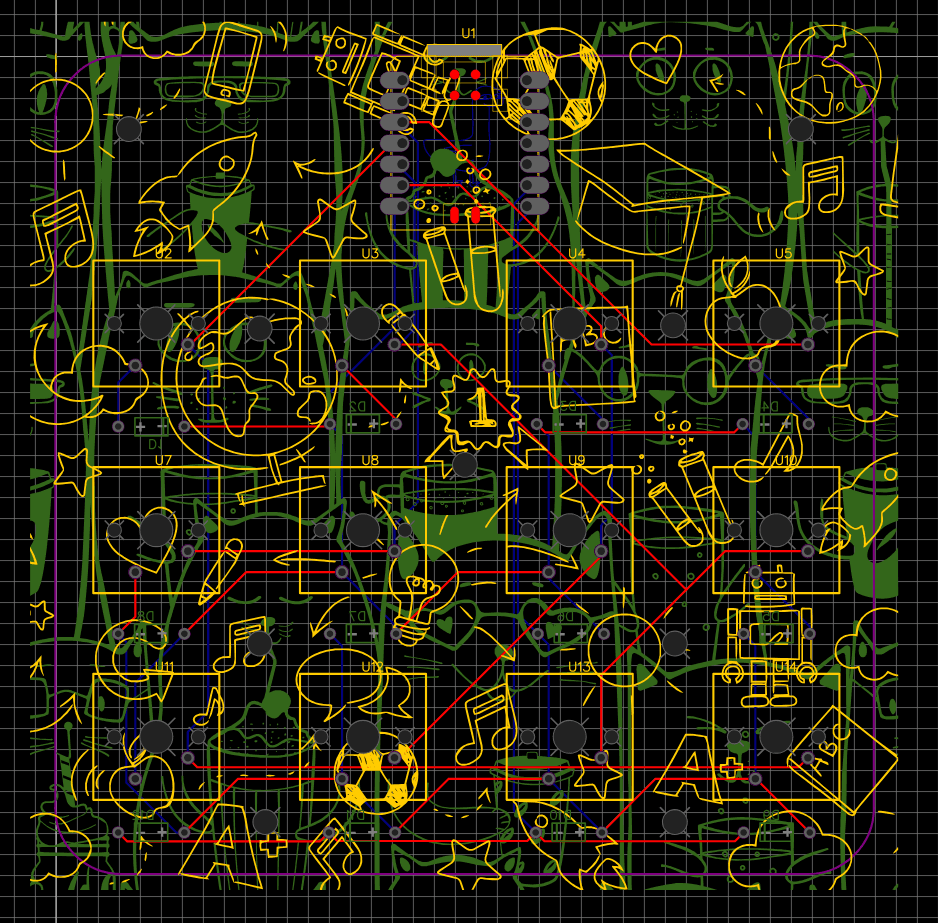
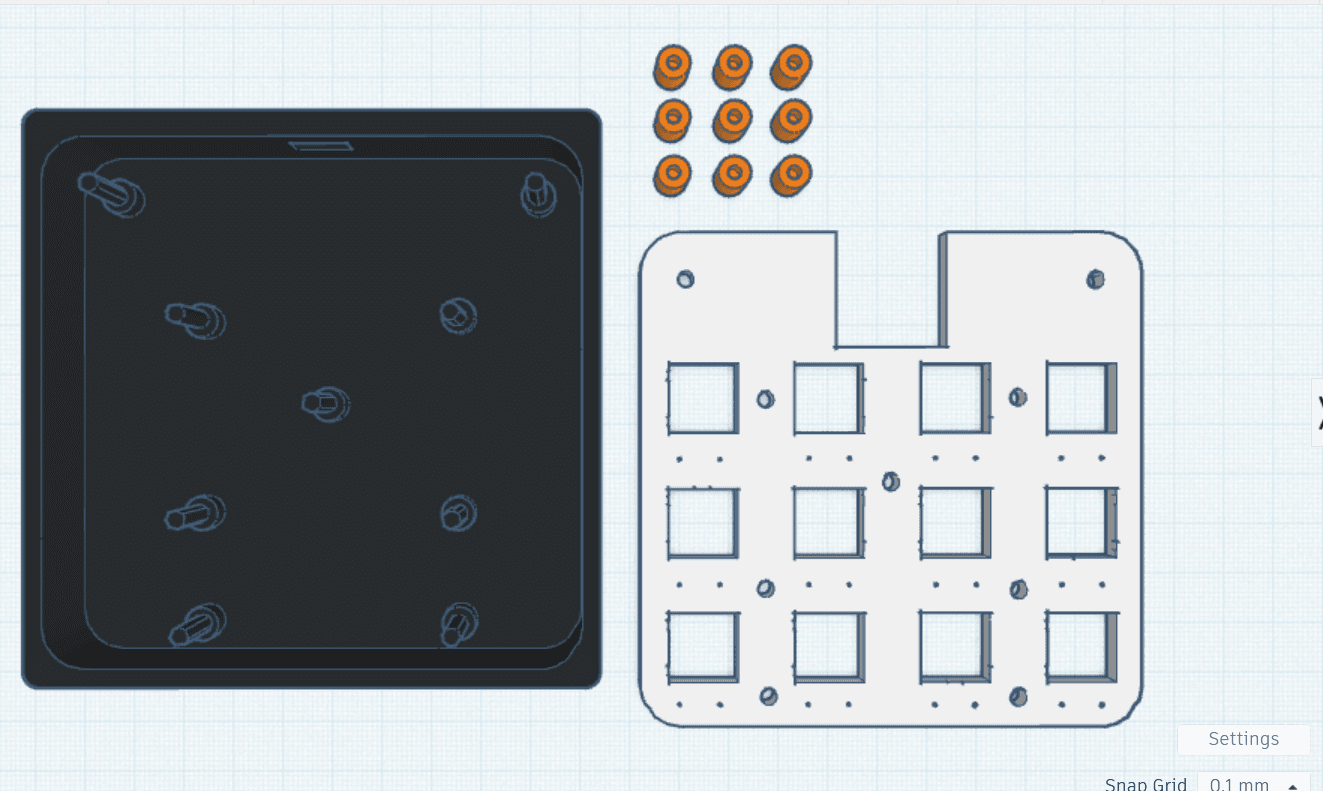
DuckPad was designed as a fully open and customizable macropad system. A custom PCB was created for a 3×4 matrix of Cherry MX switches with diode isolation for reliable key scanning. The board is powered by a Seeed XIAO RP2040, running firmware that allows flexible key mapping and macro assignment. The physical build includes a 3D-printed enclosure for structural stability and a laser-cut acrylic plate for a clean, professional finish. The firmware and hardware design are tightly integrated, allowing full control over key behavior without relying on proprietary software. The result is a compact, durable, and highly adaptable input device that turns repetitive digital actions into single keystrokes.
DuckPad started not just as a personal idea, but as part of Hack Club’s Hackpad initiative, where students are given the opportunity to design and build their own custom macropads with real funding, tools, and support.
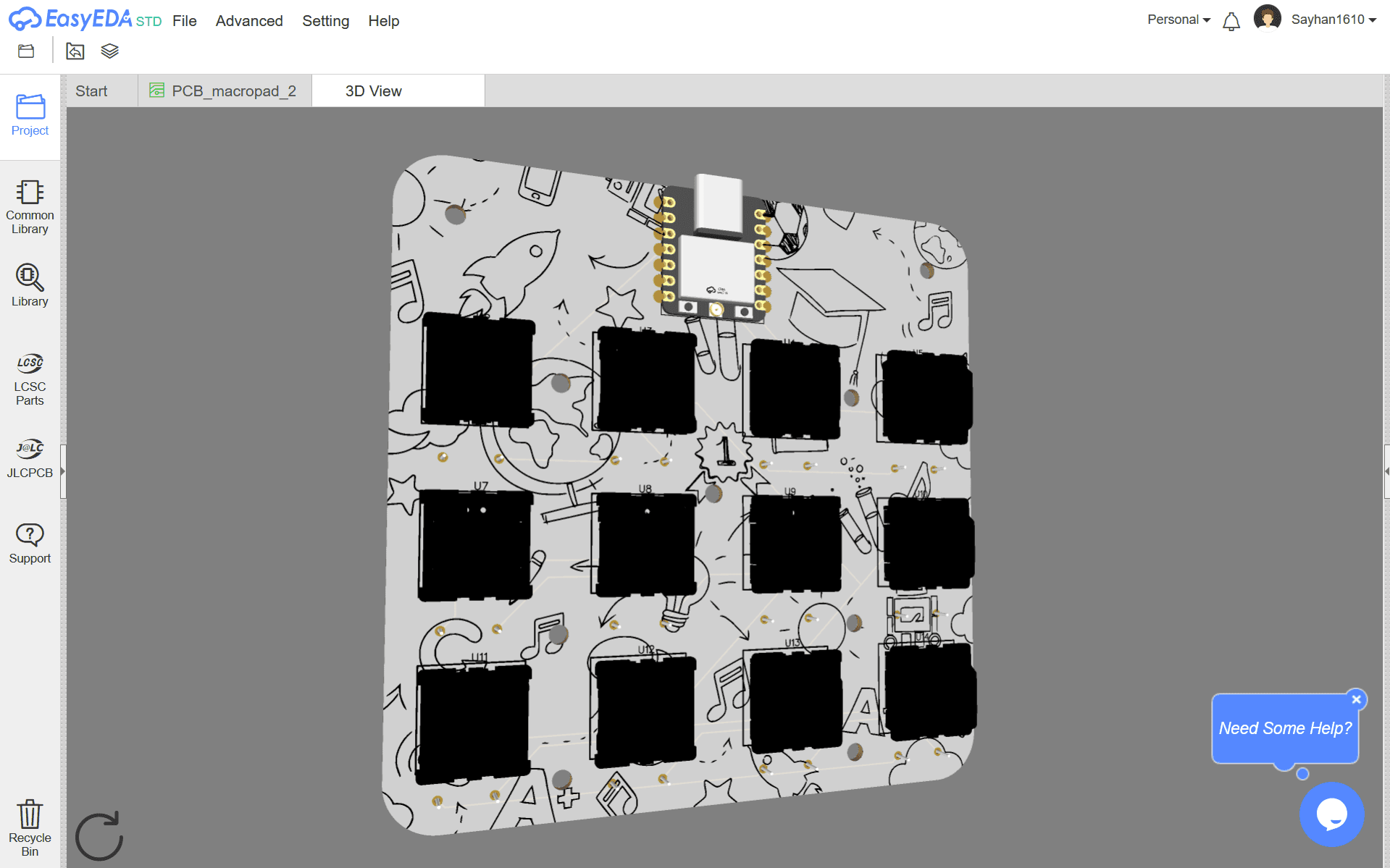
When I first joined the program, I didn’t just want to assemble something pre-made. I wanted to design something from the ground up - something that felt like mine in every layer, from PCB traces to key mapping. The idea of turning a digital workflow into a physical control surface immediately stuck.
Hackpad made that possible in a very literal way. I went through the full build process: designing the layout, working with PCB hardware, soldering diodes and switches, assembling the 3D-printed case, and flashing firmware onto the RP2040. There were moments where everything worked perfectly, and moments where nothing worked at all, which is basically the standard lifecycle of “why isn’t this thing alive yet.”
What made it special wasn’t just the final macropad, but the fact that it was shipped from imagination to physical reality with real-world manufacturing support behind it. DuckPad became less of a “project idea” and more of a finished tool I now use - born from a student program that treats young builders like actual engineers.
Now it sits on my desk like a tiny control console for my digital life, quietly doing its job while reminding me that building hardware is not some distant thing reserved for professionals - it’s something you can just… decide to do.
year
2024
timeframe
4 Months
tools
KiCAD, EasyEDA, QMK
category
Personal Project
01

02

03

04

05
06
07


